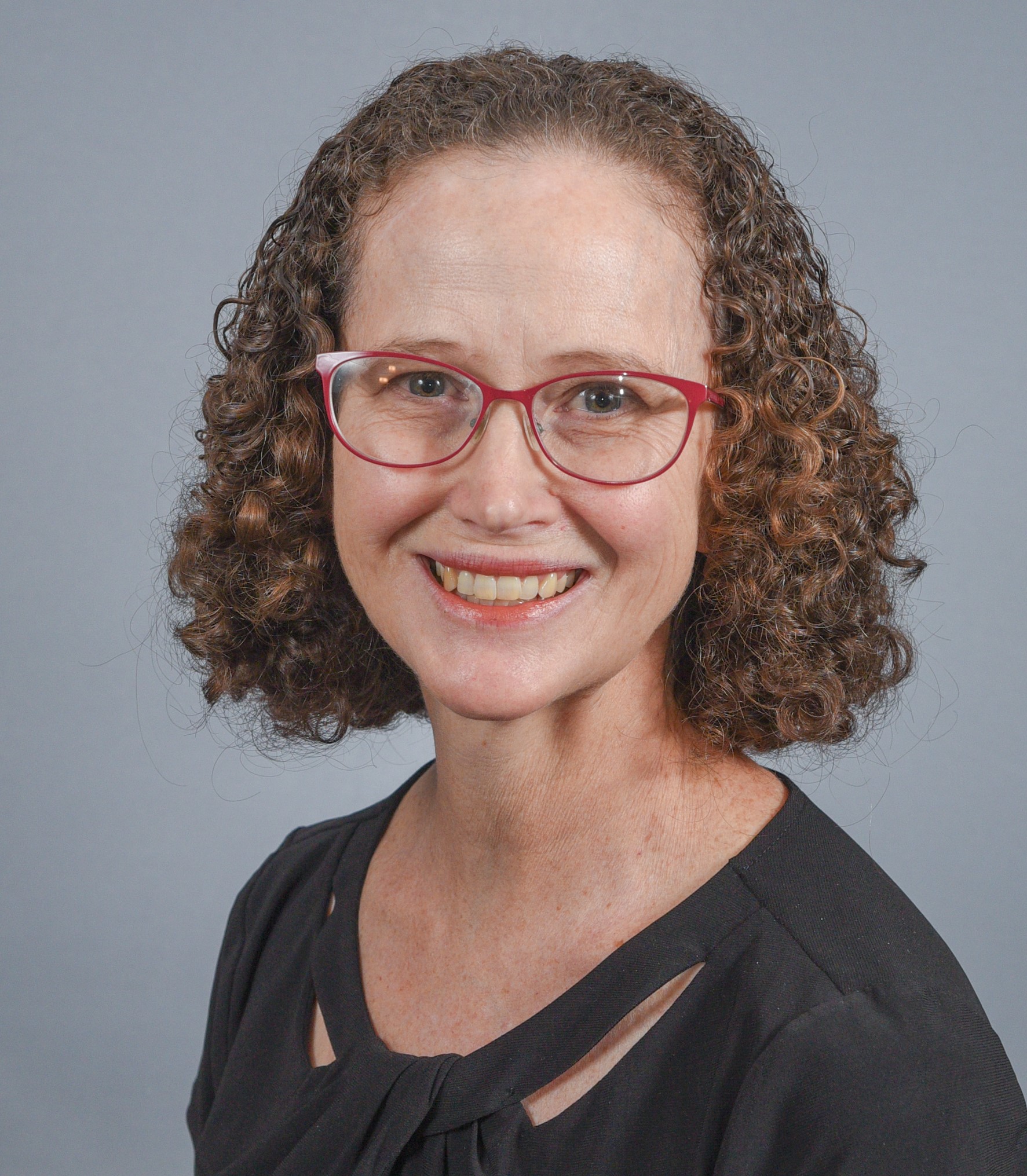
Short teaser text: Limbanazo is a bioethicist and social scientist serving as Vice Chairperson Elect of the African Research Integrity Network.
Full text: Limbanazo Mindiera Matandika, PhD, is a bioethicist and social scientist serving as Vice Chairperson Elect of the African Research Integrity Network. She co-founded Africa’s first network on responsible research conduct and has contributed to advancing research integrity across Africa and globally. Dr. Matandika holds a PhD in Bioethics, an MScoSci in Health Research Ethics, and an MPH. She is a Lecturer in Bioethics/Social Science at the Kamuzu University of Health Science, Research Integrity Ambassador for Malawi, and guest editor with the Journal of Clinical Epidemiology. Her research interests include authorship, conflict of interest, equitable partnerships, decolonization of global health.
Function description: Director of the Research Integrity & Ethics Office
Organisation: Nanyang Technological University
Picture of person:
Short teaser text: Willie Koh is the Director of the Research Integrity & Ethics Office at the Nanyang Technological University, Singapore.
Full text: Dr Willie Koh is the Director of the Research Integrity & Ethics Office at the Nanyang Technological University (NTU), Singapore, where he leads initiatives in research governance and the proper conduct of research. He is dedicated to strengthening institutional frameworks that uphold research integrity, data management, and regulatory compliance, ensuring NTU remains at the forefront of responsible and trustworthy science. With a strong track record in shaping policies and guiding best practices, he plays a central role in supporting faculty, researchers, and students in building a culture of trust in research. Dr Koh’s background is in the life sciences, with a PhD in Virology from University College London and a B.Sc from the National University of Singapore.
Short teaser text: Serge is an assistant professor at the Institute for Science in Society, Radboud University, the Netherlands.
Full text: Serge P.J.M. Horbach is an assistant professor at the Institute for Science in Society, Radboud University, the Netherlands. With a background in mathematics, he obtained his PhD in sociology of science, studying research integrity and editorial peer review practices. His main research interests including scholarly communication, particularly innovations in editorial peer review practices, and science-society interactions, particularly open science and public trust in science. He is currently one of the PIs of the DISAPEER project, studying how developments in interdisciplinarity, automation and public representation are affecting matters of expertise and identity in editorial practices and procedures.
Short teaser text: Renee is the Head of Publication Ethics at PLOS.
Full text: Renee is the Head of Publication Ethics at PLOS. She has a Ph.D. in Molecular and Cellular Biology, and before specializing in publication ethics she conducted research in developmental genetics, cell signaling, and neuroscience, and served as a staff editor for PLOS One. Renee is a member of COPE Council and has contributed to several cross-industry initiatives addressing publication ethics issues, including with COPE, STM, FORCE11, NASEM, and United2Act. She has authored articles and blog posts discussing integrity and editorial policy issues, and co-authored industry guidance on addressing paper mills, data ethics, and other publication ethics issues.
Function description: Assistant Professor in Research Methodology
Organisation: Tilburg University
Picture of person:
Short teaser text: Tamarinde is an Assistant Professor in Research Methodology at Tilburg University, The Netherlands.
Full text: Tamarinde Haven is an Assistant Professor in Research Methodology at Tilburg University, The Netherlands. She has a background in psychology, philosophy, and epidemiology. Her PhD focused on fostering a responsible research climate to support research integrity. Tamarinde conducted postdoctoral research at the Charité – Universitätsmedizin Berlin, where she began developing the concept of responsible supervision—an area for which she received a Rubicon grant. She recently received a VENI grant to strengthen methodological rigour in mixed methods research. Tamarinde is part of the EC-funded iRISE (improving Reproducibility In SciencE) consortium and a steering committee member of the Dutch Reproducibility Network